Altitude Sickness in Estes Park: What It Is & How to Stay Ahead of It
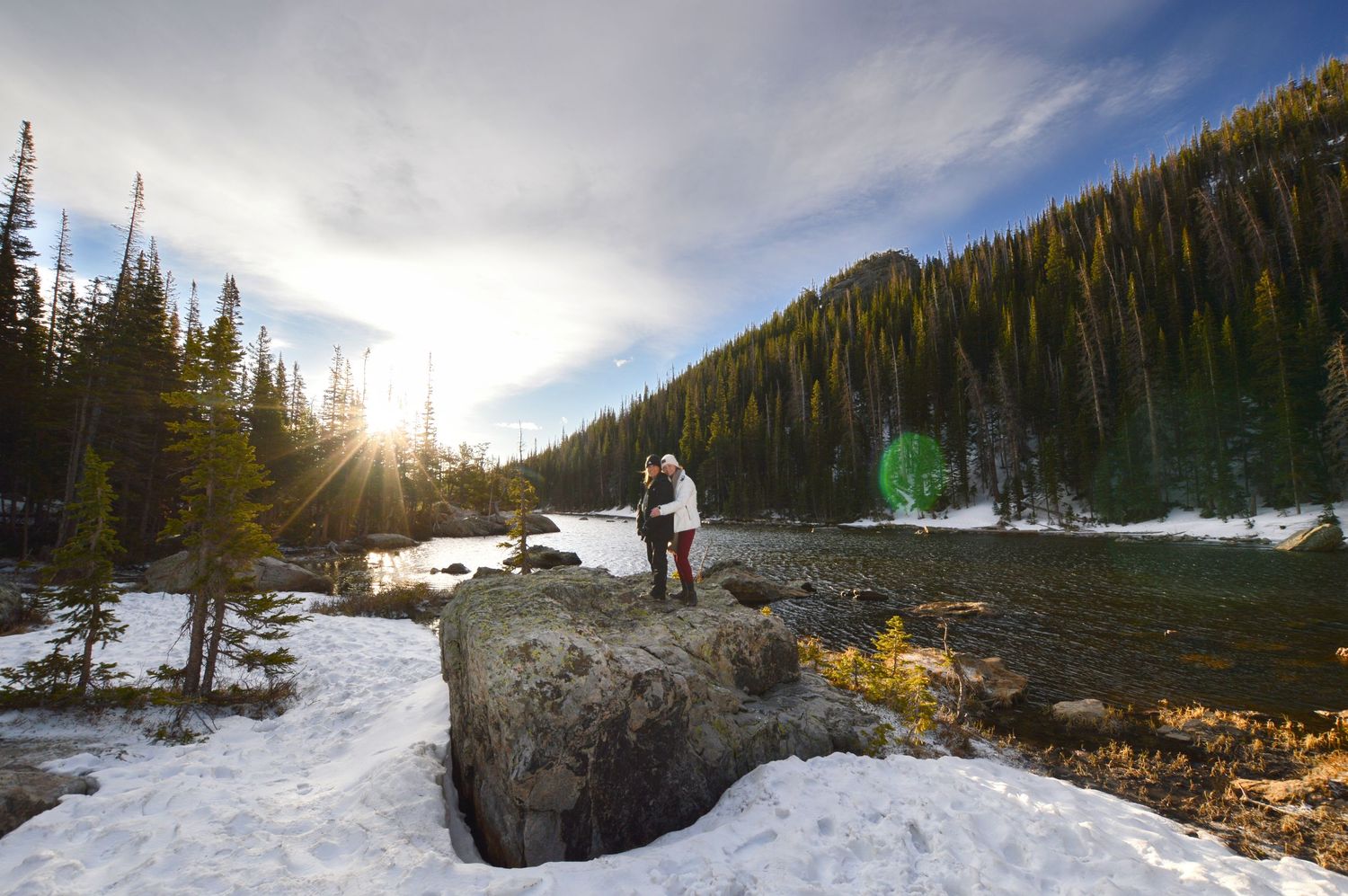
Estes Park sits pretty at about 7,522 feet above sea level, which is higher than many visitors are used to. Add in hikes above 9,000, 10,000, or even 12,000 feet (especially if you're driving up Trail Ridge Road), and your body starts facing a very different set of conditions. Less oxygen, dry air, increased sun exposure, and steeper climbs all combine to make even easy trails feel tougher. The good news? With a bit of planning, you can enjoy the mountains without being sidelined by altitude sickness.
What Exactly is Altitude Sickness?
According to the National Park Service, Acute Mountain Sickness (AMS) can hit anyone above about 8,000 ft. Symptoms include:
- Headache
- Nausea or lack of appetite
- Dizziness or feeling lightheaded
- Shortness of breath with movement
- Fatigue
- Trouble sleeping
If ignored, more serious forms like HAPE (high altitude pulmonary edema) or HACE (high altitude cerebral edema) can develop — but these are rare if you pay attention to early warning signs.
How to Prevent Altitude Sickness in Estes Park
Here are tips to help your body adjust smoothly, so you can hike, explore, and breathe easy:
- Hydrate Well — Before, During & After
- Estes Park’s dry air makes dehydration a real risk. Several locals and visitor guides suggest starting to drink extra water days before arriving. Once there, keep water flowing. Don’t wait until you feel thirsty. Adding electrolytes helps too.
- Take It Slow at First
- Don’t go full-throttle on day one. Give your body time to acclimate. A leisurely walk around town, some gentle exploring, or staying a night or two before big hikes helps a lot. Plan your hike elevations gradually.
- Watch What You Eat & Drink
- Eat regular meals with plenty of carbs (they need less oxygen to burn). Limit alcohol, caffeine, and foods that dehydrate you. These can amplify symptoms.
- Rest & Sleep Well
- Avoid strenuous activity your first day. Sleep at a lower elevation if possible. Well-rested bodies cope better with thinner air.
- Clothing & Sun Protection
- Temps can swing wildly, even in summer. Layers are your friend. And UV is more intense up high — sunburn, eye strain, dehydration can sneak up fast. Sunglasses, sunscreen, hat, lip balm — don’t skimp.
- Know the Warning Signs & Be Ready to Turn Back
- If you develop severe symptoms — confusion, loss of coordination, worsening shortness of breath even at rest — descending to lower elevation is the only safe cure. Don’t push through. Listen to your body.
- Optional: Preventative Medication
- For people who know they’re sensitive to altitude, or if you’re ascending very quickly, medications like acetazolamide (Diamox) may help. Talk to your doctor to see if it’s right for you.
Estes Park Reality Check
- Trails around town start at about 7,500 ft — just walking around the first few days can feel harder.
- Many day hikes go well above 9,000 ft, and scenic drives (like Trail Ridge Road) can reach 12,000+ ft. Be especially careful when going from low elevation directly to very high.
- Fitness helps, but even strong people feel symptoms if they go too hard too fast. Everyone acclimates differently.
Quick Checklist Before Your Estes Trip
Start hydrating several days before arrival
Helps body adapt more smoothly
Sleep first night at “lower” altitude (town rather than super high trail)
Easier acclimation
Plan lighter activities on Day 1–2
Reduces strain while your body adjusts
Have water, snacks, layers, sunscreen
Combat dehydration, sunburn, and temperature swings
Know where and when to descend or rest
Helps when symptoms show up
Bottom Line
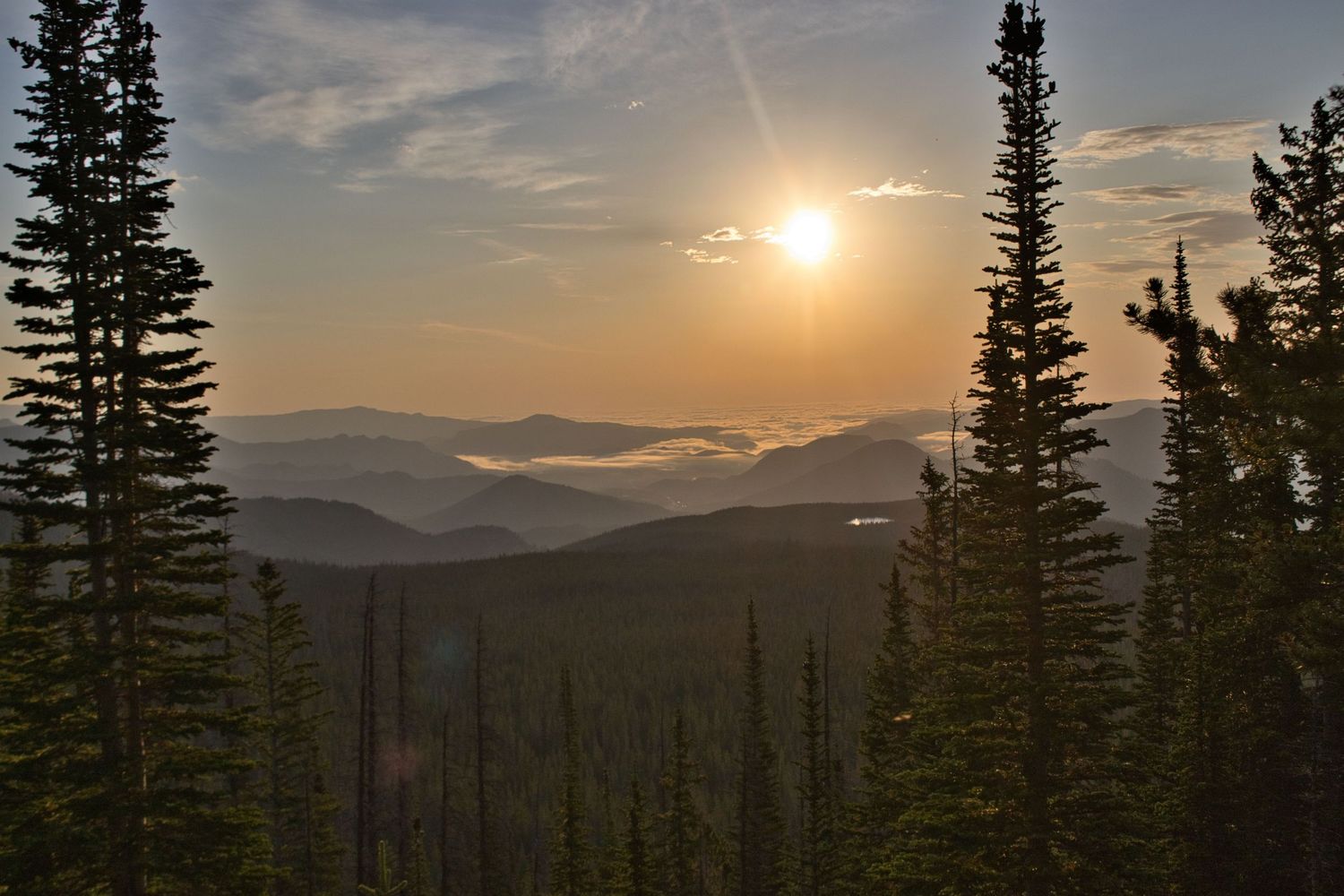
Estes Park is spectacular — sweeping rocky peaks, wildflower meadows, sunrise golden skies — but altitude is real. Don’t let it catch you off guard. With a little preparation, you’ll hike, laugh, capture your adventure, and soak in the beauty without the headache. Literally.
Here’s to breathing deep and making memories above the cloud line.