❄️ Winter Wanderlust: A Guide to Hiking in the Snow
There’s something undeniably enchanting about hiking through a snow-covered world — the muffled quiet, the crisp air, and the way every tree and mountain peak sparkles under a blanket of white. But while winter hiking offers unmatched beauty, it also demands more preparation, awareness, and respect for the elements. Whether you’re exploring the snow-laden trails around Estes Park or venturing into Rocky Mountain National Park, here’s how to make your cold-weather hike both safe and spectacular.
The Magic of Snowy Trails
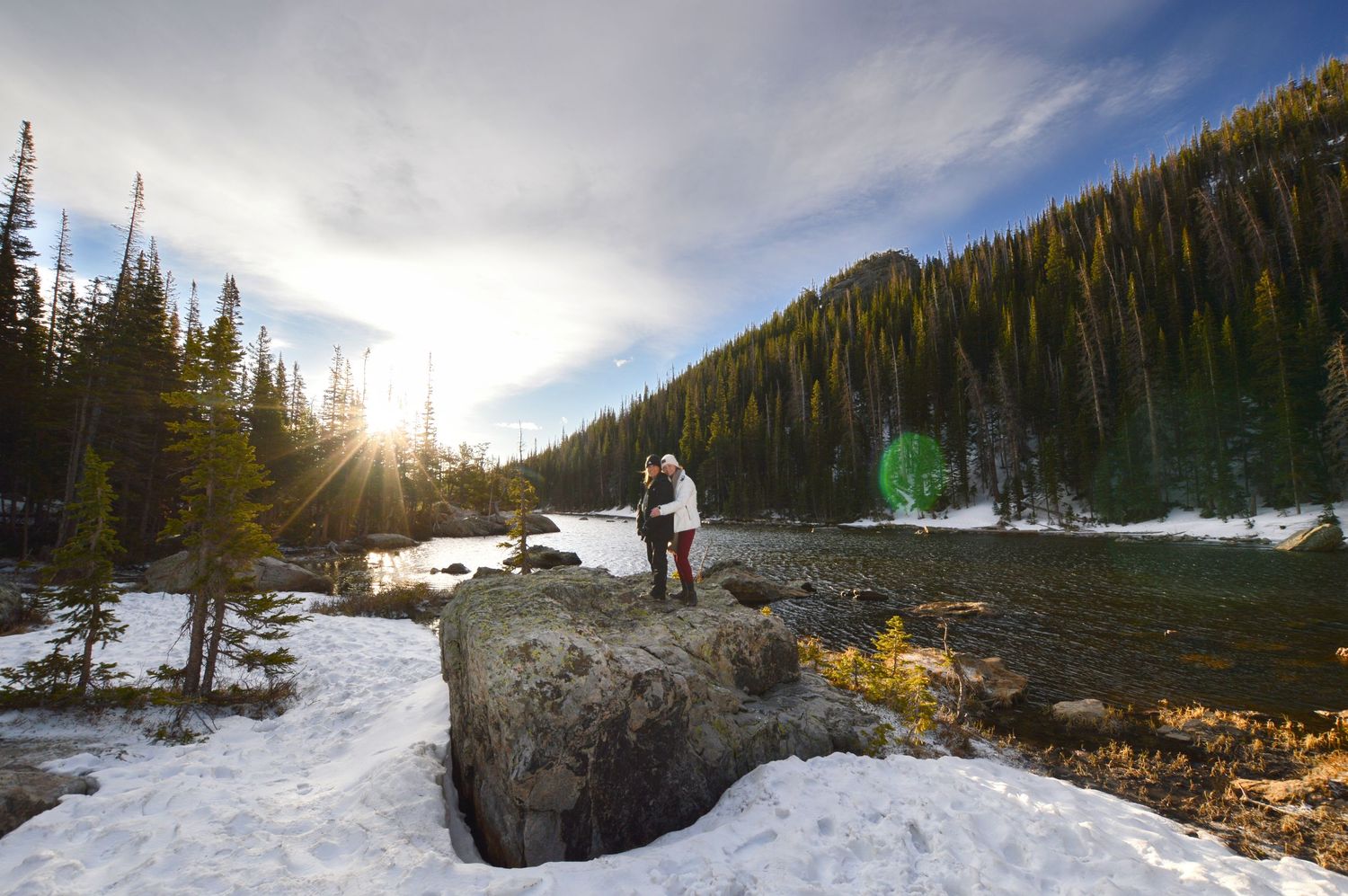
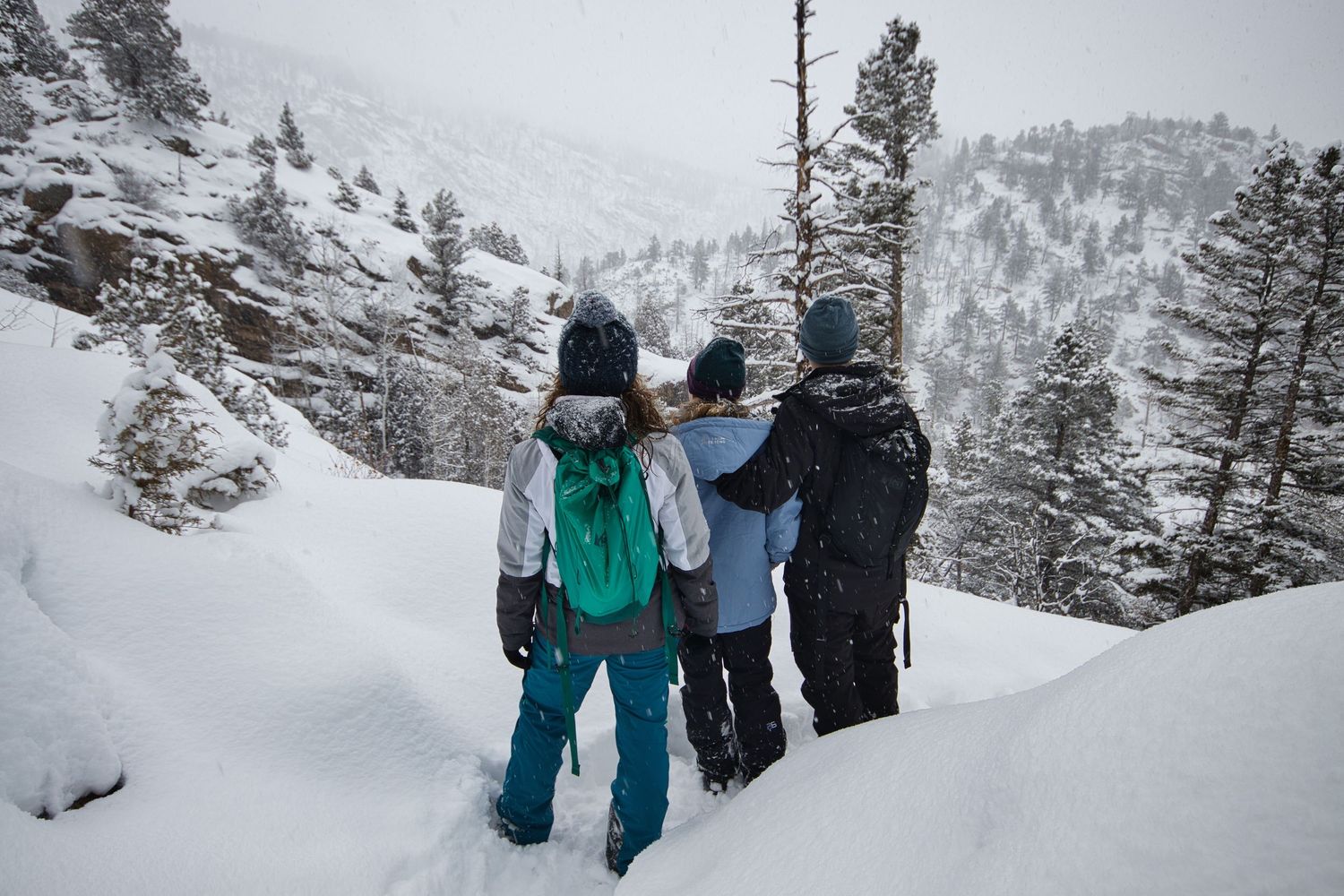
Winter transforms the mountains into a wonderland. Familiar paths become hidden beneath shimmering snowdrifts, waterfalls turn to glittering ice sculptures, and wildlife tracks crisscross the landscape like nature’s own storybook. With fewer crowds and more solitude, it’s a perfect time for peaceful adventure — but it’s also a time to tread carefully.
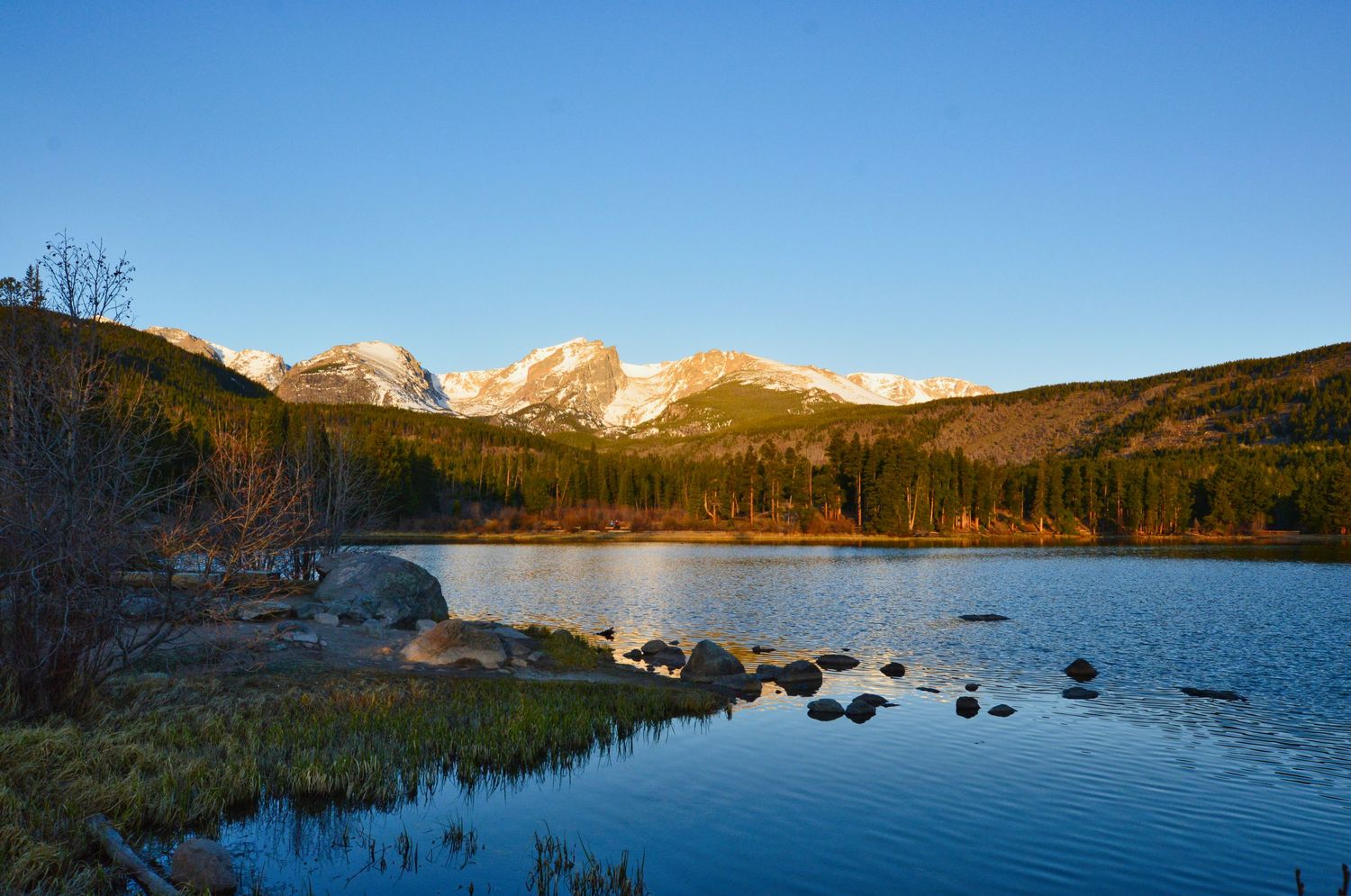
Popular winter-friendly trails in RMNP like Bear Lake, Sprague Lake, and Lily Lake offer safe, accessible routes with stunning scenery. Yet even these well-loved trails can be deceiving once the snow piles up.
Hidden Dangers: False Trails & Winter Navigation
Snow hides more than rocks and roots — it can also hide the trail itself. Once everything is blanketed in white, the path beneath your boots can vanish, replaced by other hikers’ footprints heading in all directions. These false trails often lead to nowhere or loop aimlessly through the woods, making it incredibly easy to get turned around.
Without visible landmarks, it can take only a few wrong turns to lose your bearings — even on short, familiar routes. This is one of the most common dangers of winter hiking.
To stay safe:
- Always bring a GPS, compass, or map — and know how to use them. Don’t rely solely on cell service; it’s spotty at best in the mountains.
- Download offline maps on apps like AllTrails, Gaia GPS, or FarOut.
- Mark your trailhead when you start, and check your position regularly.
- Turn back early if you lose the trail or visibility drops. In winter, wandering can quickly become dangerous.
Gear Up for the Cold
Having the right equipment keeps you comfortable and safe when temperatures drop:
Footwear: Insulated, waterproof boots with traction soles. Add microspikes or snowshoes depending on depth and ice conditions.
Clothing: Dress in layers — base (moisture-wicking), mid (insulating fleece or down), and outer (windproof/waterproof).
Accessories: Hat, gloves, gaiters, and sunglasses to fight glare.
Essentials: Map, compass or GPS, trekking poles, snacks, water, headlamp, and a first-aid kit.
Smart Safety Habits
Even short winter hikes can turn dangerous quickly. Be prepared by following these key safety practices:
Check the forecast before you go — snow squalls can move in fast.
Start early and plan to finish before sunset.
Tell someone your route and expected return time.
Stay hydrated — dehydration is common in cold weather.
Watch for signs of hypothermia (shivering, confusion, clumsiness).
And remember: in cold temperatures, fatigue and disorientation come faster. Rest often, eat regularly, and don’t push beyond your limits.
Enjoy the Journey
Winter hiking isn’t just about the challenge — it’s about embracing the stillness and beauty of nature at rest. Bring a thermos of hot cocoa, pause to admire fresh snowflakes on pine needles, and soak in the solitude that only winter provides.
If you’re new to hiking in snow, start small. Join a guided snowshoe tour in Rocky Mountain National Park or explore easy loops like Sprague Lake before tackling steeper trails.
The Reward
Hiking in the snow is both humbling and empowering — a reminder that nature’s quietest season can also be its most breathtaking. With preparation, awareness, and respect for the elements, you can safely explore a side of Estes Park and RMNP that few ever experience.
So gear up, plan wisely, and step softly into the white — your next unforgettable adventure awaits just beyond the snowline.